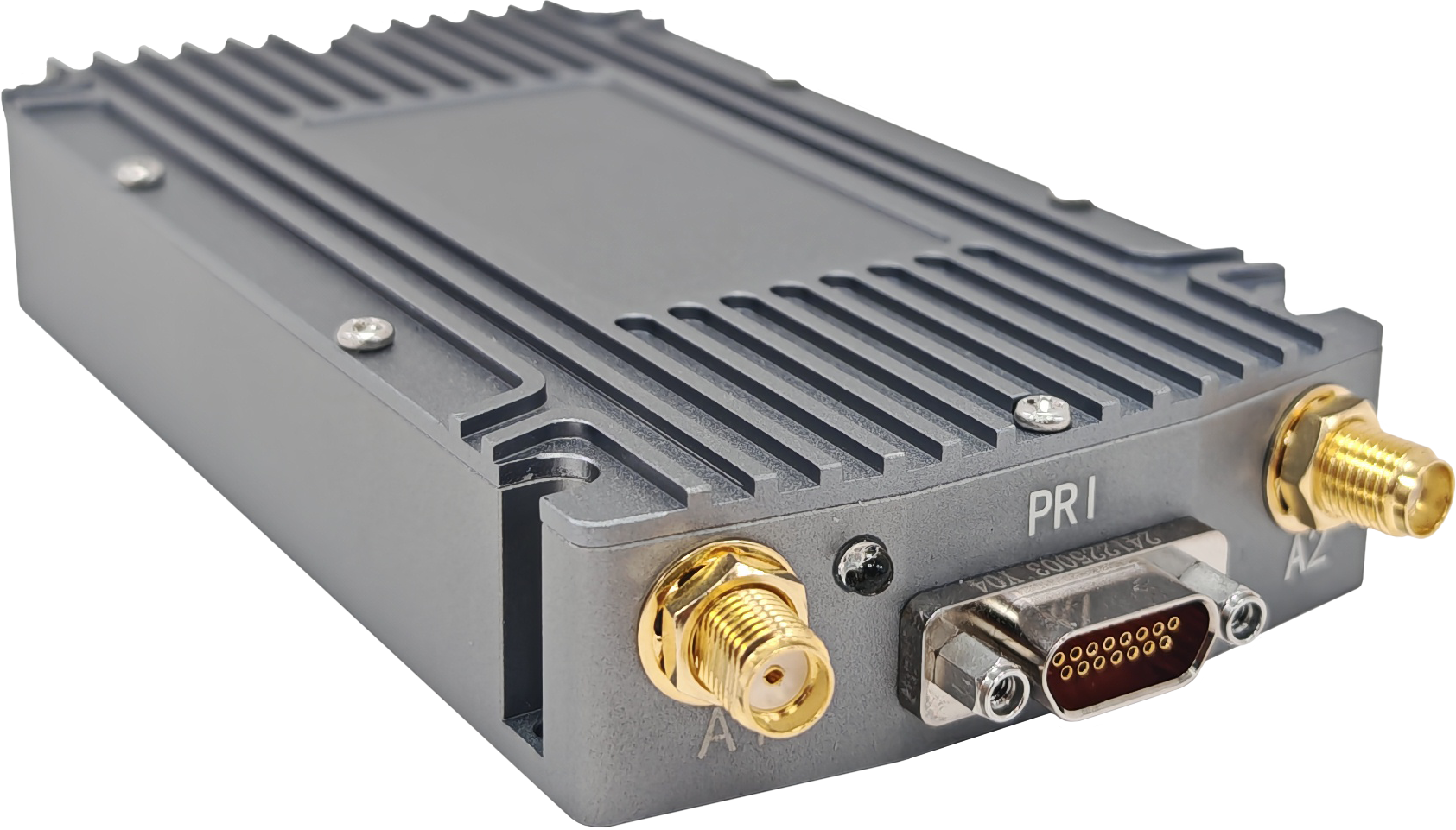
Smart frequency selection is very important when planning events. You need safe and steady communication at live events. If you do not manage frequencies, you might have problems. These problems include interference, people listening in, and losing contact. You can make your security better by using advanced tools like Lightweight Airborne Radio. This tool helps your team stay connected no matter what happens.
Key Takeaways
Smart frequency selection is very important for clear talking at live events. It stops problems and helps your team stay in touch.
Work with frequency coordinators to stop using the same frequencies. They find possible problems before your event begins.
Keep your talks safe from people listening by using secure frequencies and encryption. This keeps private information safe.
Get ready for system problems by making strong communication rules. This helps your team act fast if there are any dangers.
Use new tools like lightweight airborne radios for good communication. They are easy to set up and work well in busy places.
Communication Security Risks
Interference Threats
There are many interference threats at big events. These threats can mess up your communication and hurt security. Interference happens a lot because many short-term licenses use the same bands. This causes frequencies to overlap. When you plan big events, you should work with frequency coordinators. They help you avoid these problems.
Tip: Always check for overlapping frequencies before your event. Frequency coordinators can help you find issues early.
Here are some common sources of radio frequency interference at big events:
Type of Interference | Description |
Natural radiators | Emissions from nature, usually at low frequency. |
Unintentional radiators | Manmade devices that give off energy by mistake, like rusty electrical contacts. |
Intentional radiators | Devices that use radio energy to send signals, like walkie-talkies. |
Co-Channel Interference | More than one transmitter uses the same channel. |
Adjacent-Channel Interference | A transmitter on a close frequency affects your channel. |
Intermodulation-Based Interference | Signals from many transmitters mix and make unwanted frequencies. |
Power Line Noise (PLN) | Sparks on power lines cause wide interference. |
Switch-Mode Power Supplies | Many home products cause wide interference. |
Big events cannot handle much interference. Even small problems can cause big trouble. Frequency coordinators help keep your channels clear. They help you plan and manage frequencies so your team can talk without problems.
Eavesdropping Risks
You need to keep your communications safe from eavesdropping at big events. Bad people use different ways to listen to your conversations. Some use passive eavesdropping and just listen to your network traffic. Others use active eavesdropping to change or steal your data. Network sniffing tools can grab unprotected traffic. VoIP eavesdropping listens to voice calls on the internet. Wi-Fi eavesdropping targets public or weak networks. Email interception and physical eavesdropping are also risks.
Passive eavesdropping: Listens to your network but does not change it.
Active eavesdropping: Changes or steals your data.
Network sniffing: Takes data from networks that are not protected.
VoIP eavesdropping: Listens to voice calls on weak networks.
Wi-Fi eavesdropping: Uses fake access points to steal information.
Email interception: Reads emails as they move between servers.
Physical eavesdropping: Uses hidden devices to record talks.
Frequency coordinators help you pick safe frequencies and encryption. This makes it harder for attackers to listen in. At big events, you should work with frequency coordinators to keep your talks private.
System Failures
System failures can cause big security problems at big events. If your communication system fails, you might miss important threats. Open vulnerabilities, like unlocked rooftops, can be missed. Team members may get confused about what to do. This confusion can cause security mistakes. You might not spot persons of interest if you cannot share info fast. Slow responses can turn small problems into big ones.
Unaddressed vulnerabilities: Security gaps stay open.
Role confusion: Team members do not know their jobs.
Missed persons of interest: Threats are not found.
Delayed response: Slow action makes things worse.
Compromised safety and reputation: People lose trust in your team.
You can lower these risks by working with frequency coordinators. They help you set up strong communication systems for big events. Good planning and teamwork keep your team connected and ready to act.
Note: Big events need strong communication plans. Frequency coordinators make sure your systems work when you need them most.
Smart Frequency Coordination
What Is Frequency Coordination
It is important to know about frequency coordination for safe communication at live events. Frequency coordination is a planned process. You plan, collect details, and control radio frequencies. This stops wireless devices from interfering with each other. First, you check what RF you need. Then you make a frequency plan. You also help during the event if things change or problems come up.
Many people and groups help with frequency coordination. Each one helps keep your event safe and connected. Here is a table that shows who does what for frequency coordination at big public events:
Organization/Agency | Role in Frequency Coordination |
Frequency Coordinators | Assign frequencies to vendors and organizations, ensuring no conflicts or interference. |
Federal Communications Commission (FCC) | Work with frequency coordinators to obtain licenses and ensure compliance with regulations. |
SEI Wireless Communications | Provide dedicated frequency coordinators for events like Formula One and Super Bowl. |
Event Organizers | Collaborate with frequency coordinators to allocate frequencies and prevent interference. |
Public Safety Agencies | Rely on coordinated frequencies for effective communication during large events. |
You need to work with these groups to keep your event running well. Frequency coordination helps you stop problems before they start. It keeps your team talking and your event safe.
Why Coordination Matters
Frequency coordination is important because it keeps your communication safe from interference and security problems. When you use frequency coordination, each group or vendor gets its own frequency. This stops radios from sharing the same frequency. You avoid mix-ups and keep your messages clear.
“Frequency coordination is very important in the radio business,” says Richard, the main frequency coordinator at SEI Wireless Communications. “If you do not coordinate, radios use the same frequency. This causes interference and makes communication not work. We make sure every radio uses a different frequency in the allowed range.”
You can see how frequency coordination helps keep communication safe. Here are some ways it helps you:
Frequency coordinators give different frequencies to vendors and groups so there are no mix-ups.
They work with the FCC to get licenses and follow the rules.
Event organizers must send in their frequency needs early to fix any problems.
You should do a few things to make frequency coordination work for you:
Get a frequency coordinator to handle frequency assignments.
Send your frequency needs early so you can fix problems.
Use the right frequency bands and technology to make things work better.
During emergencies, frequency coordination is even more important. You need to pick the main channel for sharing important news. You should also set aside extra channels for special things, like moving people. Make sure everyone knows which frequencies to use and what to share.
Benefit | Description |
Interoperability | Makes sure different groups can talk to each other during emergencies, helping everyone work together. |
Clear Communication | Stops confusion by using simple words, so everyone understands. |
Structured Protocols | Sets rules for talking, so everyone knows how to share important news quickly. |
Using simple words on shared frequencies helps everyone understand. You stop confusion and mistakes. Good communication lowers risks to people and property during emergencies. Frequency coordination helps everyone talk easily during normal times and emergencies. You make public safety and national security better when you work together.
Frequency coordination gives you a strong base for safe, steady communication. You can stop interference, block eavesdropping, and keep your team ready. When you use frequency coordination, you protect your event and everyone there.
Lightweight Airborne Radio Solutions
Technology Advantages
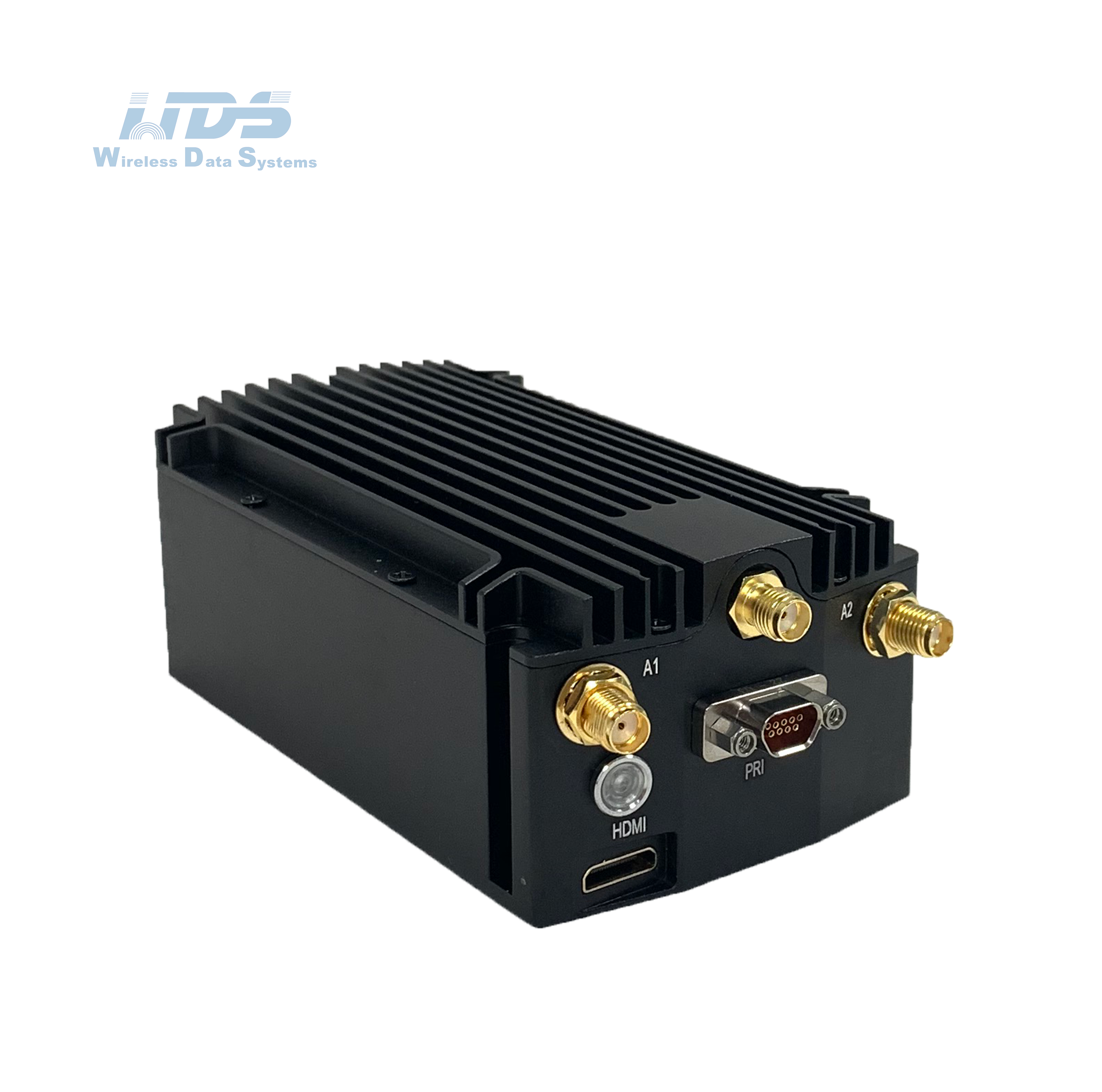
You need good and flexible tools to talk at live events. Lightweight airborne radio systems are better than old ground radios. These radios, like the SMARTmesh Series by WDS, use new technology. They help your team stay in touch during hard times. You can trust features like anti-jamming, quick setup, and long-distance coverage.
Here is a table with some new technology in lightweight airborne radios:
Technology | Description |
Airborne Multi-Channel Radio | Uses two radios for more coverage and two wideband channels. |
AN/ARC-201D SINCGARS | Gives steady voice and data in a small, light radio. |
Falcon III® RF-7850A-MR | Handles important voice and fast data with two channels. |
Small Tactical Terminal KOR-24A | Gives Link 16 communication in a small size for better teamwork. |
These radios also have anti-jamming features. They use frequency band selection, automatic frequency hopping, and strong encryption. Jamming detection is built in, so you know if someone tries to block your signal. Special anti-jamming GPS modules help you stay connected even in busy or dangerous places.
Deployment Scenarios
You can use lightweight airborne radios in many event places. These radios work well outside and inside. For outdoor events, you need to protect gear from rain and wind. Bright screens help you see controls in sunlight. You may need generators if there are no outlets. Indoors, you have steady power and do not worry about weather.
Here is a table that shows outdoor and indoor use:
Factor | Outdoor Considerations | Indoor Considerations |
Weather Conditions | Need to cover equipment | No need for shelter |
Sunlight | Sun glare can hurt screens; use bright displays | Lights are controlled |
Wind | Make sure setups do not blow away | No wind problems |
Power Supply | Might need generators | Outlets are easy to find |
You can set up lightweight airborne radios fast because you do not need heavy ground stations. These radios cover big areas by using both air and ground nodes. You get quick setup and strong coverage, so you can handle any problem at your event.
Best Practices for Secure Communication
Regulatory Compliance
You need to follow rules to keep communication safe. These rules come from your country and other countries. They help protect people and stop problems. Good spectrum management helps you talk clearly at live events. Here are some ways event planners follow the rules:
Make a group to manage spectrum in your country.
Use simple and clear rules for spectrum management.
Share the national frequency plan with everyone.
Keep a steady way to decide about frequencies.
Allow special cases or changes when needed.
Give a way to check and change spectrum choices.
Remove rules that are not needed.
Let people use spectrum in new ways for new tech.
If you follow these steps, you avoid trouble and fines. You also help your team and the public stay safe by following the law.
Technology Selection
Picking the right system is important for safety. You need tools that let you talk and send data. The system should work with other systems. It should keep working if something breaks. Look at this table to help you choose the best system:
Criteria | Description |
Capabilities | The system must meet the needs in your event plan. |
Interoperability | Teams must talk to each other, so systems must match. |
Redundancy | Have more than one way to talk in case one stops working. |
Training | Everyone must learn how to use the equipment for good communication. |
You should also look at different digital mesh networks. WebRTC gives safe and fast talking, which is good for live events. WebSocket gives steady data flow. Both help keep people safe and support tactical communications.
Working with Experts
You make events safer when you work with experts. Event Security Coordinators and frequency pros help you plan and run systems. They work with vendors, staff, and local leaders. This makes sure everyone follows the best rules for frequency coordination. Here are some good things about working with experts:
Experts help you plan and run safe events.
Their advice helps you worry less and lowers risk.
Teamwork makes talking and working together better.
All groups know what to do before the event starts.
You should use tools that show what is happening right now. Dashboards help you watch entry points and crowds. Smart sensors and alerts help you find problems fast. These tools keep your network strong and help keep people safe.
Tip: Use real-time tools to keep your communication safe and your event secure.
Smart frequency selection helps keep your event safe. It also makes sure your team is ready for emergencies. If you do not plan well, you might have interference. You could also miss important emergency alerts. You can lower these risks by using advanced radios that give you:
Fast setup so you can start quickly
Strong connections even when it is crowded
Safe communication to keep your info private
Updates right away so you can act faster
After every event, check your frequency plan. Write down what worked well and find ways to do better next time.
FAQ
What is frequency selection in live event security?
You pick the best frequency so your team can talk easily. Good frequency selection stops signals from mixing up. It keeps your messages safe from others. Everyone hears the right things. You plan frequencies for each event.
Why do live events need frequency coordination?
Frequency coordination stops signals from getting mixed up. Many teams use their own frequency bands. Experts help give each group a special frequency. This keeps talking clear and easy. It stops confusion at your event. You use frequency coordination every time.
How do lightweight airborne radios help with frequency management?
Lightweight airborne radios help cover big spaces. These radios change frequency bands quickly. You get strong signals even when it is busy. They help stop jamming. Your team stays connected. You use these radios for quick changes.
What risks come from poor frequency planning?
Bad planning causes signals to mix and break up. You might not reach your team. Others could listen to your talks. You may miss emergency warnings. Good planning keeps your event safe. Always check your radio frequencies before you start.


