In field operations, whether it’s during construction, security patrols, or disaster recovery, reliable communication is key to successful mission execution. However, traditional Point-to-Point (P2P) communication systems come with inherent limitations that affect their reliability and effectiveness in dynamic environments. This is where portable radios, specifically handheld radios, stand out. Unlike traditional P2P systems, handheld radios offer enhanced flexibility, coverage, and reliability, making them the preferred choice for a wide range of applications in challenging environments. In this article, we will explore how handheld radios outperform traditional P2P communication systems and why they are the go-to solution for field operations.
Understanding Traditional P2P Communication and Its Limitations
Point-to-Point (P2P) communication systems are designed for direct communication between two endpoints—transmitter and receiver. While they are simple and often effective in controlled environments, they face several limitations when used in dynamic, large-scale operations.
One of the main constraints of P2P systems is their limited communication range. As the distance between the transmitter and receiver increases, the signal weakens, resulting in decreased quality or even complete loss of communication. This becomes a significant issue in complex terrains or urban environments with many obstructions, such as tall buildings, hills, or dense forests. In such scenarios, P2P systems struggle to maintain reliable connectivity.
Additionally, P2P systems require specific setups for each communication pair, meaning that if you need to communicate with multiple team members or change communication channels, you often need to manually reconfigure the system. This process can be time-consuming and inefficient, especially during emergencies when rapid communication is critical.
Another limitation is that P2P communication systems often require intermediary equipment, such as repeaters or relays, to extend the range or improve the quality of the signal. These systems are often complex, difficult to deploy, and prone to failure, which makes them less reliable in challenging field conditions.
Portable Radios and Mesh Network Capabilities
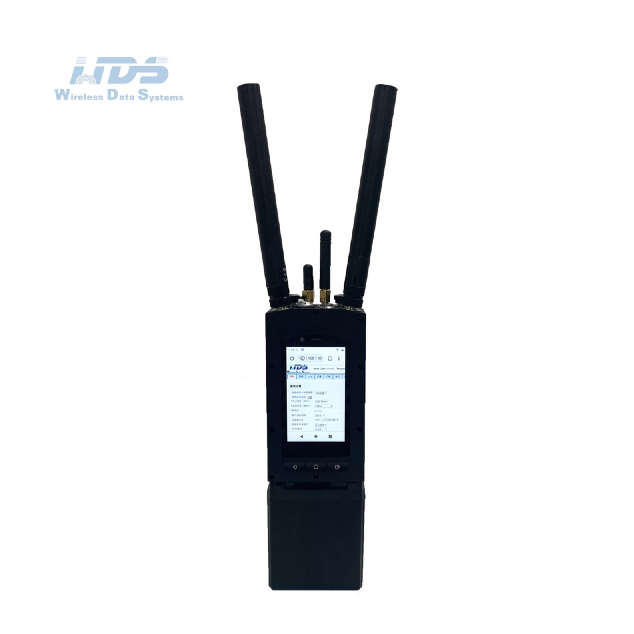
Handheld radios provide a significant advantage over traditional P2P systems due to their ability to operate in a mesh network configuration. Unlike P2P, which connects only two devices directly, handheld radios can form a self-organizing network, where multiple radios communicate with each other in a decentralized manner. This allows for seamless communication across large areas, without the need for complex configurations or additional infrastructure.
The mesh network capability of handheld radios allows for multi-hop communication, meaning the signal can travel through multiple radios to reach its destination, even if the receiver is far away. This extends the range of communication far beyond what is possible with a traditional P2P system. As a result, teams can stay connected over greater distances, which is particularly important in expansive field operations such as construction sites, military operations, or large-scale rescue missions.
Moreover, mesh networks are highly adaptive. If one radio in the network fails or moves out of range, the other radios automatically adjust to find the most optimal communication route, ensuring that communication remains uninterrupted. This makes handheld radios ideal for fast-moving teams, where equipment might shift locations frequently.
Communication Reliability Under Field Conditions
One of the key challenges in field operations is the reliability of communication, especially in high-interference environments. Traditional mobile networks and P2P systems often fail to deliver reliable performance under these conditions. For instance, mobile networks can experience congestion during disasters, where many people attempt to use the network simultaneously, leading to delays or complete service outages.
In contrast, handheld radios are not dependent on any external infrastructure, such as cell towers or satellites. This makes them more reliable in areas where traditional communication systems might fail. Whether operating in remote wilderness areas, underground facilities, or disaster zones, handheld radios provide consistent communication, even in the absence of cellular networks.
This feature is particularly important during emergencies, where every moment counts. With handheld radios, teams can coordinate responses quickly and efficiently, without worrying about losing connection due to network congestion or infrastructure failure.
Performance Factors: Range, Interference, and Latency
When comparing the performance of handheld radios with traditional P2P systems, several factors must be considered, including range, interference, and latency.
Range: The range of a communication system determines how far apart the two devices can be while maintaining reliable communication. P2P systems typically have limited range, and the signal weakens over distance. Handheld radios, on the other hand, have a significantly longer range, especially when used in a mesh network. This makes them more suitable for large-scale field operations where teams are spread out over vast areas.
Interference: Field operations often take place in environments where there is a lot of interference, such as urban areas with heavy radio traffic or construction sites with equipment that emits strong electromagnetic signals. Handheld radios are designed to resist interference and provide clear communication even in noisy environments. The ability of these radios to switch frequencies automatically and adapt to changing conditions ensures that communication remains stable and reliable.
Latency: Latency refers to the delay between sending a signal and receiving a response. In fast-paced field operations, low latency is essential to ensure quick decision-making and coordination. P2P systems often suffer from higher latency due to the need for signal processing and the reliance on external infrastructure. Handheld radios offer near-instant communication with minimal delay, making them ideal for time-sensitive situations like emergency response or military operations.
Applications Where Portable Radios Outshine P2P
Construction Sites: In construction, workers are often spread out across a large area, making communication crucial for coordinating tasks, ensuring safety, and responding to emergencies. Handheld radios provide reliable, instant communication across the site, even in the presence of construction equipment that may interfere with traditional communication methods. With the added benefit of a mesh network, handheld radios allow workers to stay connected no matter how far apart they are, ensuring smooth operations and quick responses to safety issues.
Field Operations and Security Patrols: Security personnel patrolling large areas need reliable communication to report incidents, request backup, and coordinate responses. Handheld radios provide the flexibility to communicate over large distances without the need for complex infrastructure. In situations where security teams must adapt quickly to changing conditions, handheld radios ensure that communication remains consistent and clear, regardless of environmental challenges.
Emergency Rescue Operations: In the case of natural disasters or emergency rescue operations, traditional communication systems often fail due to network overload or infrastructure damage. Handheld radios offer a robust and reliable alternative, ensuring that rescue teams can stay in contact even in the most challenging conditions. Their durability, long range, and mesh networking capabilities make them ideal for these high-pressure environments.
Event Management: Managing large public events, such as concerts, festivals, or sporting events, requires real-time communication between security teams, event staff, and emergency responders. Handheld radios provide reliable communication throughout the event, allowing for quick coordination of crowd control, medical assistance, and logistics.
Conclusion
In the world of field operations, where communication is critical to success, handheld radios provide a far superior solution compared to traditional P2P systems. Offering greater range, resistance to interference, and low latency, handheld radios enable teams to stay connected in even the most challenging environments. Their ability to create a self-organizing mesh network ensures reliable communication across vast areas without the need for complex infrastructure. Whether in construction, emergency response, security, or event management, handheld radios offer unmatched performance and reliability, making them the go-to communication tool for modern field operations.
Contact Us
For more information on how our superior handheld radios can improve your field operations, please contact us at Shenzhen Sinosun Technology Co., Ltd. Our team is here to help you select the best solution for your needs.
FAQs
1. What is the main advantage of handheld radios over traditional P2P systems?
Handheld radios offer greater range, reliability, and flexibility compared to traditional P2P systems, especially in large or dynamic environments.
2. How do handheld radios handle interference from other signals?
Handheld radios are designed to minimize interference by automatically adjusting frequencies and using advanced signal processing techniques.
3. Can handheld radios be used in large outdoor operations?
Yes, handheld radios are perfect for large outdoor operations, offering long-range communication and resistance to environmental interference.
4. How does the latency of handheld radios compare to P2P systems?
Handheld radios offer lower latency than P2P systems, providing near-instant communication, which is essential for time-sensitive operations.


