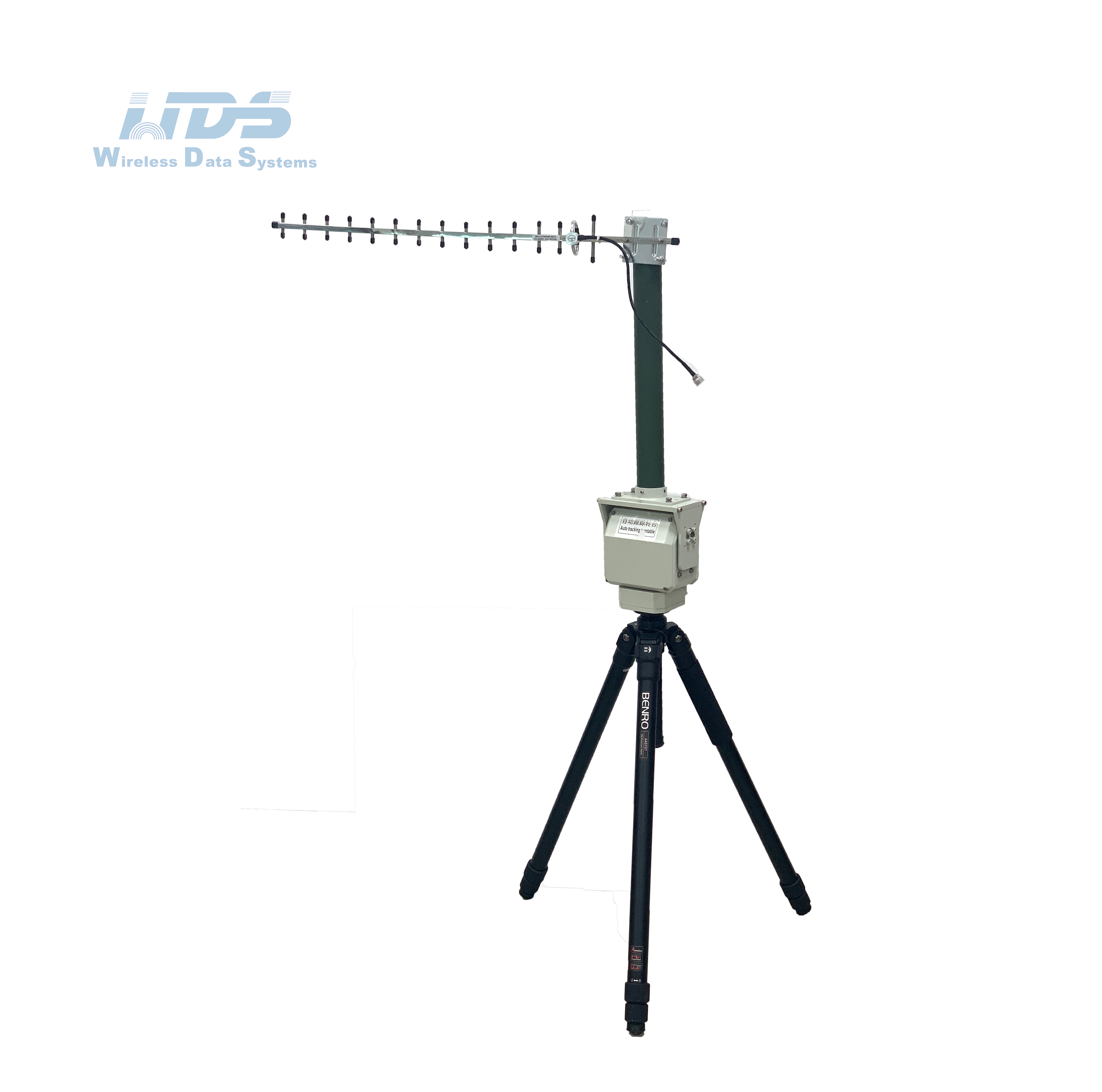
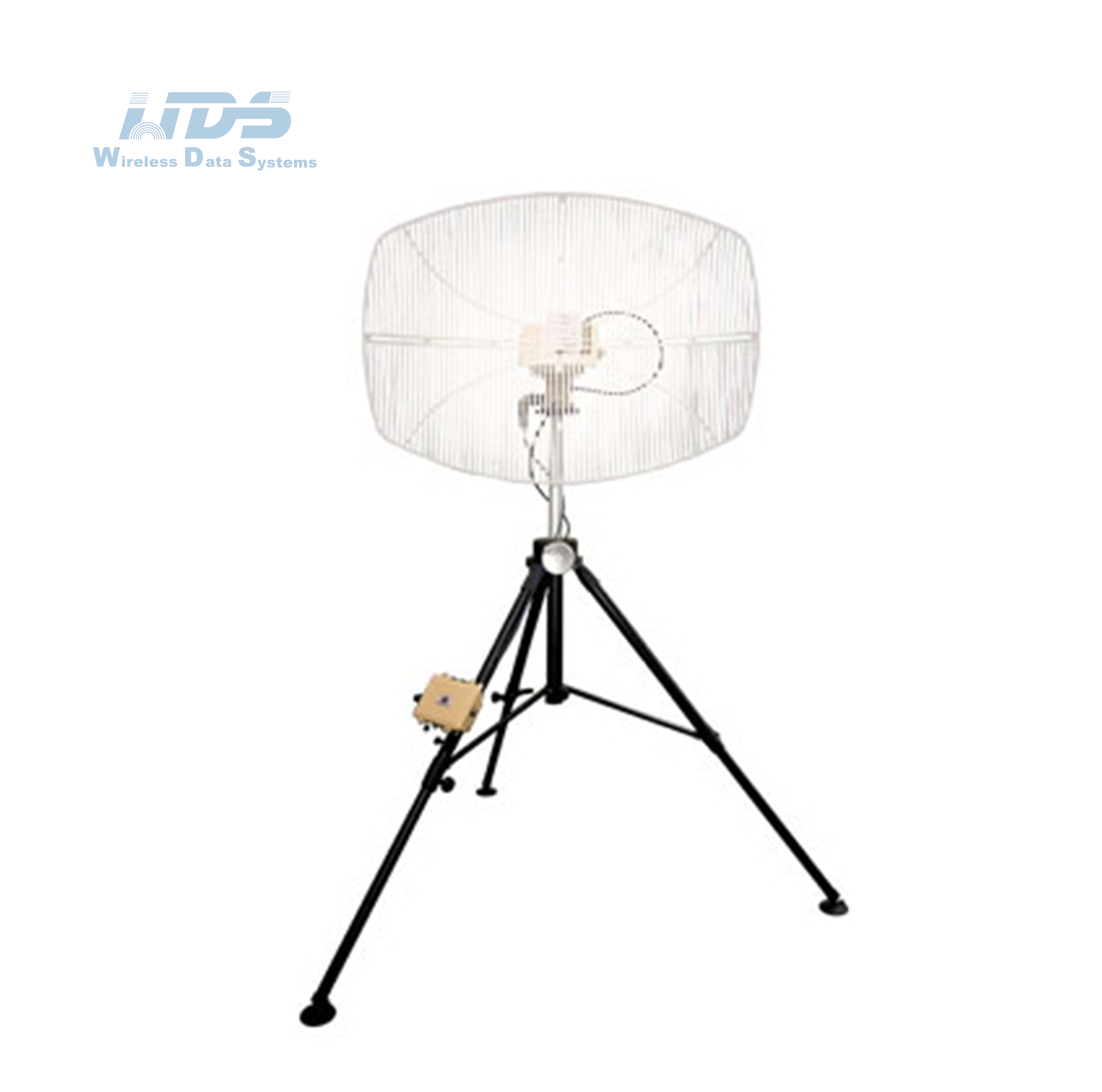
You can rely on the Antenna Tracking Platform to help prevent signal loss when operating a UAV. With GPS integration, the Antenna Tracking Platform ensures your antenna remains accurately pointed at both your vehicle and ground control station, maintaining a strong connection at all times. Advanced servo control allows the Antenna Tracking Platform to move quickly and adjust as needed, guaranteeing a clear line of sight. These features work together to provide the Antenna Tracking Platform with steady communication and reliable data links, even when your UAV travels long distances.
Key Takeaways
Antenna Tracking Platforms use GPS to keep antennas aimed at UAVs. This helps stop signal loss when the UAV is flying.
High-gain antennas make signals stronger and cut down interference. This lets communication go farther.
Regular maintenance is very important for strong signals. Cleaning antennas and checking power supplies helps a lot.
GPS tracking makes antennas move automatically to follow UAVs. This gives steady data links.
Knowing about the environment and limits helps make UAV flights better. It also helps keep signals strong.
Signal Loss Causes
Common Issues
Wireless communication can have many problems. These problems can make the signal weak or lost. Here are some main reasons why this happens:
Multipath cancellations happen when radio waves bounce off things like buildings. These bounces can make spots where your device gets no signal.
Signal absorption happens when things like trees, people, or water block the signal. This makes the signal weaker.
Electromagnetic interference comes from other electronics. This can add noise and mess up the signal.
Attenuation means the signal gets weaker as it moves farther away.
Noise and distortion can also make the signal worse.
Multipath interference is a big cause of signal loss. The table below shows how it can hurt communication:
Mechanism | Effect on Signal Loss |
Signal Nulling | Reflected waves can stop the main signal completely. |
Data Corruption | The receiver cannot read the information sent. |
Variations in Amplitude | Signal strength changes because of phase differences. |
Tip: Try to keep your antenna in an open space. This can help avoid many of these problems.
Impact on UAVs
Signal loss can cause big problems when you fly a UAV. Things like trees or buildings can block or weaken the signal. You need a clear path to keep a strong connection between your UAV and the ground station. If the signal goes away, you might lose control or miss data.
A strong signal is needed for real-time control. If the signal is slow or stops, accidents can happen. How far your UAV can go depends on the signal strength. If you keep the path clear, you can send commands and get data easily. Good communication lets you fly farther and stay safe.
Antenna Tracking Platform Features
GPS Tracking
You need good tracking to keep your antenna on your UAV. The gps antenna helps with this job. When you use gps, your antenna tracking platform can follow your UAV as it moves. The gps antenna and receiver work together to find where your UAV is. This helps your antenna stay on the signal.
Modern gps antenna systems can change direction by themselves. They do not need you to fix them. The gps antenna is easy to set up. After you install it, the system keeps your antenna pointed right. The gps antenna works well, even if your UAV moves fast or turns.
You can use manual tracking or gps tracking. This gives you more choices. The gps antenna collects movement and location data. This helps you make smart choices and keeps your connection strong. The antenna tracking platform can also reset itself to keep tracking your UAV, even if you move your ground control station.
Note: The gps antenna makes the signal stronger and finds more satellites. This helps you get better location, even in hard places.
Servo Control
Servo control helps your antenna move fast and smooth. The antenna tracking platform uses servo motors that are very accurate. These motors let your antenna follow your UAV right away. The system can move in many ways, so your antenna always points at your UAV.
The servo system checks where the antenna is. If the antenna moves off target, the servo fixes it quickly. This keeps your signal strong and steady. The WDS Directional Antenna Automatic Tracking Platform uses brushless servo motors for better control.
Here are some important things about servo control in the antenna tracking platform:
Accurate control for moving the antenna
Moves in many directions for full tracking
Checks position to keep the antenna on target
Fast changes to follow moving UAVs
The antenna tracking platform can spin all the way around and tilt up and down. It can turn with an accuracy of 0.1°. It can point with a precision of 0.1°. This means your antenna always points where it should.
High Gain
High gain helps you talk over long distances. A high-gain antenna sends its energy in a narrow beam. This makes your signal stronger and lets you reach farther. The antenna tracking platform uses high-gain antennas like spiral, Yagi, and grid types.
When you use a high-gain antenna, you get better signal. The antenna can pick up weak signals and lose less over long distances. This helps when your UAV flies far away. The antenna tracking platform keeps the high-gain antenna pointed at your UAV, so you do not lose the signal.
Here is a table that shows how high gain helps your antenna:
Feature | Benefit |
Focused RF energy | Lets you read and talk farther |
Higher signal strength | Cuts down signal loss |
Narrow beam | Stops interference and reflection |
Stable data transmission | Keeps your connection strong |
The antenna tracking platform works with many antennas. You can pick the best one for your needs. High-gain antennas need careful tracking because their beams are narrow. The antenna tracking platform makes sure your antenna always points at your UAV, so you get the best signal.
Tip: Using a high-gain antenna with an antenna tracking platform gives you better coverage and less signal loss, even in big or busy places.
GPS Antenna Technology
Real-Time Alignment
You want your antenna to stay locked on your UAV. The gps antenna helps you do this. When you use gps, your antenna can follow your UAV as it moves. The gps antenna uses signals from satellites. These signals tell your antenna where your UAV is. You get real-time alignment because the gps antenna updates the position quickly.
The gps antenna and receiver work together. They collect data about your UAV’s location. Your antenna uses this data to point in the right direction. You do not need to guess where your UAV is. The gps antenna gives you the information you need. Your antenna can move and adjust as your UAV flies.
Here is a table that shows how gps antenna helps with real-time alignment:
Feature | How It Helps You |
gps antenna | Tracks UAV position |
antenna | Points at UAV |
gps | Updates location fast |
gps antenna | Keeps signal strong |
Tip: You can trust your gps antenna to keep your antenna on target. This means you get better data and fewer signal drops.
Automatic Adjustment
Your antenna needs to change direction as your UAV moves. The gps antenna makes this easy. You do not have to move the antenna by hand. The gps antenna uses gps data to control the antenna. When your UAV turns, the gps antenna sends new information. Your antenna moves to follow the UAV.
You get automatic adjustment with the gps antenna. The antenna can rotate and tilt. The gps antenna checks the position all the time. Your antenna stays pointed at your UAV. You do not lose the signal. The gps antenna helps your antenna work in many places. You can fly your UAV far away. The antenna keeps up because the gps antenna works fast.
Here are some ways the gps antenna helps with automatic adjustment:
The gps antenna collects movement data.
Your antenna uses this data to change direction.
The gps antenna keeps your antenna on the signal.
You get strong communication with your UAV.
Note: The gps antenna makes your antenna smarter. You get better control and more reliable signals.
Effectiveness
Reliable Data Links
You want your receiver to keep a strong connection with your UAV. The antenna tracking platform helps you do this. When you use gps, your receiver can follow your UAV as it moves. The gps antenna gives your receiver the location of your UAV. Your receiver uses this data to point the antenna in the right direction. You get a reliable signal because your receiver always knows where to aim.
Your receiver faces many challenges. Obstacles like trees or buildings can block the signal. The gps antenna helps your receiver handle these problems. Simulations show that your receiver can keep a reliable data link even in tough places. Ray-tracing results prove that your receiver can deal with interference from obstacles. In open areas, your receiver works well. When obstacles appear, your receiver still performs strongly. The antenna tracking platform makes your receiver robust in real-world situations.
Your receiver needs to adjust quickly. The gps antenna sends new location data all the time. Your receiver uses this data to move the antenna. You do not lose the signal because your receiver reacts fast. The antenna tracking platform keeps your receiver ready for changes. You get steady communication with your UAV.
Tip: Your receiver works best when you use gps and a gps antenna. You get fewer signal drops and better data.
Performance Evidence
You want to see how your receiver performs in real-world applications. The WDS Directional Antenna Automatic Tracking Platform gives your receiver strong results. You can use different channel bandwidths to match your needs. Your receiver can reach up to 50 km with a 20 MHz channel. If you use a 10 MHz channel, your receiver can go up to 100 km. With a 5 MHz channel, your receiver can reach 200 km. A 3 MHz channel lets your receiver go beyond 200 km.
Your receiver uses the WDS Bridge mode to connect your UAV and ground control station. You set the distance to match your expected range. Your receiver gets the maximum allowed TX power, and BDAs add more gain. Your receiver can work in many deployment examples, from 50–100 km to over 200 km.
Here is a table that shows the performance of your receiver with the WDS system:
Parameter | Configuration |
Operating Mode | WDS Bridge (UAV ↔ GCS) |
Channel Bandwidth | 20 MHz → up to ~50 km, 10 MHz → up to ~100 km, 5 MHz → up to ~200 km, 3 MHz → beyond 200 km |
TX Power | Max allowed (BDAs add gain) |
Distance Setting | Match expected range |
Range-Based Deployment Examples | 50–100 km, 100+ km, 200+ km |
Your receiver gets reliable data links with the antenna tracking platform. The gps antenna helps your receiver stay on target. You get strong performance in medium and long-range UAV flights. Your receiver can handle tough environments and keep your signal strong.
Note: Your receiver works best when you use the right channel bandwidth and match the distance setting. The antenna tracking platform and gps antenna give your receiver the tools to succeed.
Limitations
Environmental Factors
Your antenna tracking platform works best when the weather is nice. Bad weather can make your signal weaker. Here are some things that can cause problems:
Humidity can make your signal weaker. It can also make your antenna rust faster. This can make your antenna work worse over time.
Dust and pollution can stick to your antenna. This dirt can change how your antenna works. It can also cause electromagnetic interference. If you do not clean your antenna, your signal might get worse.
Very hot or cold weather can change your antenna’s materials. This can make your signal less steady.
Tip: Clean and check your antenna often. This helps keep your signal strong, even when the weather is bad.
Operational Constraints
You need to think about how your antenna tracking platform works during real UAV flights. Some limits come from how fast your system can move and how it handles changes. Here are some important things to remember:
Sometimes, your UAV moves faster than your antenna can turn. When this happens, it is hard to keep your signal strong.
Fixed antennas can have trouble if something blocks the way. If a tree or building is in the path, your signal can drop.
Fast changes in the environment can make it hard for your system to keep up. Your signal might get weak if things change quickly.
Power is very important. Your tracking platform uses batteries. If your battery gets low, your signal can get weak or stop. New GNSS receivers use less power. This helps your system last longer and keeps your signal steady.
Note: Plan your flight and check your battery before you start. This can help you keep your signal strong.
Antenna tracking platforms use GPS and servo control to help keep your signal strong. Your antenna always points the right way, so you can talk to your UAV better.
Highly directional antennas make your signal stronger and block more interference.
The system moves your antenna often to keep the best connection.
New things like MIMO beam-forming help tracking work even better.
Factor | What You Should Check |
Antenna Type | Choose one that matches your UAV’s height and area. |
Gain | Pick the highest gain you are allowed to use. |
Polarization | Make both antennas match for the best signal. |
Think about where you will fly and what you need before picking a platform. In the future, smart antennas and AI will help your signal get even better.
FAQ
How does an antenna tracking platform help your UAV?
You get a stronger signal because the platform keeps your antenna pointed at your UAV. This helps you avoid losing connection, even when your UAV moves far away or changes direction quickly.
Can you use different types of antennas with the tracking platform?
Yes, you can use spiral, Yagi, or grid directional antennas. The platform works with many antenna types, so you can choose the one that fits your needs best.
Is it hard to set up an antenna tracking platform?
You can set up the platform easily. Most systems use GPS data and simple controls. You follow the instructions, connect your antenna, and start tracking your UAV right away.
How do you keep your antenna tracking platform working well?
Clean your antenna often. Check for dust or damage. Make sure the power supply works. Regular checks help you keep your signal strong and your system reliable.
What makes GPS tracking better than manual tracking?
GPS tracking updates your antenna’s direction automatically. You do not need to move the antenna by hand. This gives you faster, more accurate tracking and helps you keep a steady signal.